The Future of Artificial Intelligence: What Lies Ahead
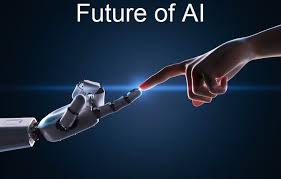
The future of artificial intelligence (AI) holds immense potential, with developments that could reshape industries, economies, and societies in profound ways. Here’s a glimpse into what lies ahead:
1. Increased Automation and Efficiency
AI is set to automate an even broader range of tasks, from manufacturing and logistics to healthcare and finance. This will lead to more efficient operations, reducing costs, increasing productivity, and minimizing human error. Industries like transportation, where self-driving cars and drones could become mainstream, will see significant disruptions.
2. Advancements in Natural Language Processing (NLP)
The evolution of NLP, the technology behind AI’s ability to understand and generate human language, will lead to even more sophisticated virtual assistants, automated customer service, and language translation tools. Conversational AI will continue improving, enabling more natural and seamless interactions between humans and machines.
3. AI in Healthcare
AI’s role in healthcare is growing, with predictive algorithms helping doctors diagnose diseases earlier, personalized treatment plans, and drug development being accelerated. AI-driven devices and wearable technology will also enhance preventative care, allowing for better health management outside of traditional clinical settings.
4. Ethical Considerations and Regulation
As AI grows in power and influence, ethical concerns and the need for regulation will intensify. Issues like data privacy, bias in AI models, job displacement due to automation, and AI in warfare will need to be carefully addressed. Governments, organizations, and thought leaders will need to work together to develop frameworks that ensure AI benefits society while mitigating its risks.
5. Human-AI Collaboration
Rather than AI replacing humans, we may see more collaboration between the two. AI will handle tasks that are repetitive or require data analysis at a large scale, while humans will focus on creativity, strategy, and emotional intelligence. This synergy will be most effective in fields such as education, entertainment, and the arts.
6. Artificial General Intelligence (AGI)
While AI has been narrow in its focus (specialized in solving specific tasks), the pursuit of AGI – AI systems that can perform any intellectual task a human can do – is still in the works. The creation of AGI could lead to unprecedented advancements in technology but also comes with existential risks. A lot of research will go into ensuring AGI aligns with human values and safety.
7. AI-Driven Creativity
AI is already being used in creative industries such as music, art, and writing. In the future, AI could work alongside human creators to produce more complex works, explore new artistic styles, and even create entirely new forms of media. However, debates about authorship and the role of AI in creative fields will likely intensify.
8. Enhanced Personalization
AI will continue to revolutionize how we interact with digital platforms. From personalized shopping experiences to curated news feeds, AI will analyze our preferences and behaviors to provide tailored content, services, and advertisements. This level of personalization could change the way we experience the internet and interact with brands.
9. AI and Sustainability
AI can play a crucial role in combating climate change and ensuring sustainability. AI-driven technologies can optimize energy use in homes, buildings, and transportation systems. Additionally, AI can help track and predict environmental changes, identify pollution sources, and support the development of green technologies.
10. AI in Education
AI will redefine the learning experience, offering personalized learning paths, real-time feedback, and support for diverse learning styles. Intelligent tutoring systems could become more widespread, helping students with tailored lessons and assistance based on their individual needs.
